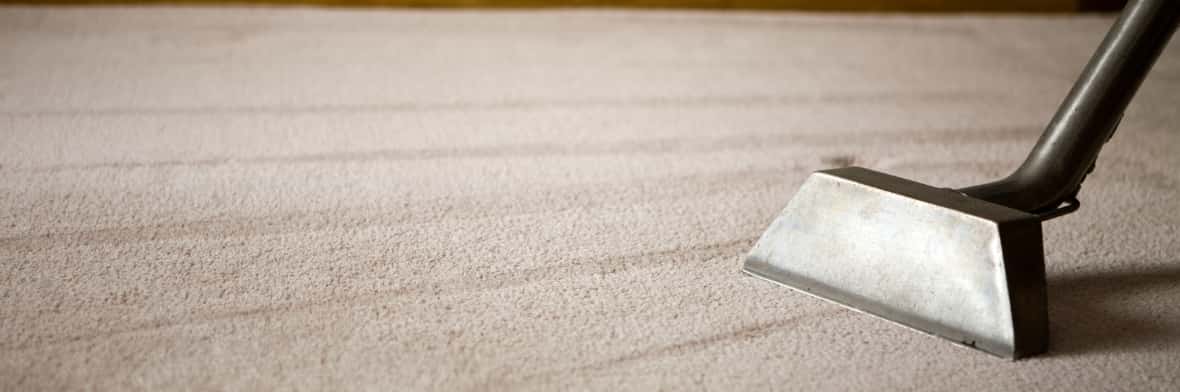
Regular vacuuming is one of the most important parts of carpet maintenance. It removes loose dust, crumbs, hair and other dry debris before they settle more deeply into the pile. However, even a carpet that is vacuumed frequently can eventually look dull, marked or uneven.
For homes in Purley, Croydon, this usually means that the carpet contains contamination that ordinary vacuuming cannot remove. Understanding the difference between surface debris, embedded soiling and permanent wear can help you decide when professional carpet cleaning is appropriate.
Why Vacuuming Cannot Remove Every Type of Carpet Soil
A vacuum cleaner relies primarily on suction and brush movement. It works well on loose material, but many substances adhere to carpet fibres or become compacted below the surface. As these contaminants accumulate, they change the colour, texture and overall appearance of the carpet.
Fine Dirt Becomes Embedded in the Pile
Very fine particles can settle between the carpet fibres, where they are difficult for normal vacuuming to reach. Foot traffic then pushes this material further into the pile.
Embedded grit can make lighter carpets appear grey and reduce the clarity of patterned or coloured flooring. It may also rub against the fibres as people walk across the room, gradually contributing to a worn appearance.
Several slow vacuuming passes are more effective than one quick pass, but deeply compacted soil may still require professional extraction.
Oily Residues Hold Dirt in Place
Carpets collect more than dry dust. Natural oils, cooking vapours, outdoor pollutants and residues carried in on footwear can attach themselves to the fibres.
Once an oily film develops, it attracts and retains further dirt. Vacuuming may collect the loose particles on top, but it cannot release the sticky contamination beneath them. This is a common reason why a carpet can look dirty immediately after it has been vacuumed.
Busy Routes Develop Visible Traffic Lanes
Areas between doors, around furniture and through the centre of frequently used rooms receive much more wear than the rest of the carpet. These routes often become darker and flatter, creating clear traffic lanes.
The appearance is usually caused by a combination of embedded soil and compressed fibres. Professional cleaning can remove much of the contamination and improve colour consistency, although fibres that are permanently worn may not return fully to their original position.
Spillages Can Leave Residue Behind
A spillage may appear to have been removed while still leaving material within the lower pile or backing. As the area dries, residue can attract new dirt or migrate back towards the surface, making the mark reappear.
Household cleaning products can create a similar problem if too much solution is applied or not removed thoroughly. Sticky detergent residue encourages rapid resoiling, sometimes leaving the treated section darker than the surrounding carpet.
Persistent marks should be assessed before further products are used, as the correct treatment depends on both the substance and the carpet fibre.
Flattened Fibres Reflect Light Differently
A carpet does not need to be heavily soiled to look dull. Repeated foot traffic can compress the pile, causing busy sections to reflect light differently from areas beneath furniture or around the edges of a room.
Vacuuming may lift some fibres temporarily, but it cannot repair permanent abrasion or distortion. Professional cleaning and controlled agitation can improve the appearance where soil is contributing to the flattening, but cleaning cannot rebuild physically damaged fibres.
Dust Collects Around Room Edges
Dark lines sometimes develop beside skirting boards, beneath doors or around the perimeter of a room. This is often caused by very fine airborne particles being deposited as air moves through small gaps.
Known as filtration soiling, these marks can become tightly attached to the fibres and are rarely removed through ordinary vacuuming alone. They usually require detailed treatment using suitable cleaning solutions and controlled agitation.
Odours Can Remain After Visible Debris Is Removed
Vacuuming may leave a carpet looking tidier without addressing substances responsible for stale odours. Spillages, food residue, damp contamination and material carried in on footwear can remain below the visible surface.
If an odour returns soon after vacuuming or ventilation, the source may be held within the carpet pile. Professional assessment can determine whether cleaning is suitable and whether a specific area requires targeted treatment.
The Vacuum Cleaner May Not Be Working Effectively
Before assuming the carpet needs deep cleaning, it is worth checking the vacuum itself. Reduced suction, worn brushes, blocked hoses and full filters can significantly limit soil removal.
The cleaning head should also be suitable for the carpet type and adjusted correctly where possible. Passing over the carpet slowly and approaching busy areas from different directions can improve routine results.
However, even a well-maintained vacuum cannot remove bonded oils, deep staining or all compacted soil.
What Professional Carpet Cleaning Does Differently
Professional carpet cleaning targets contamination beyond the reach of routine vacuuming. The process should begin with an assessment of the carpet’s construction, fibre type, condition and level of soiling.
Depending on the carpet, treatment may include:
- Thorough dry-soil removal
- Pre-treatment of traffic lanes and marked areas
- Fibre-appropriate cleaning solutions
- Controlled agitation to release bonded soil
- Professional extraction of loosened contamination
- Targeted attention to individual spots
- Measures to support effective drying
Using a method suited to the carpet helps achieve a more even result without leaving unnecessary residue.
How to Tell Dirt From Permanent Wear
An experienced carpet cleaner should set realistic expectations. Areas that look dull because of soil, residue or compacted contamination can often be improved considerably. Permanent fibre damage, colour loss and heavy abrasion will remain visible to some degree after cleaning.
A useful indicator is the contrast between exposed areas and sections protected by furniture. A major colour difference may show how much general soiling has accumulated, although natural fading and wear must also be considered.
Conclusion
Carpets can continue to look dirty after regular vacuuming because fine soil, oily residues, spillages and filtration marks become attached to or embedded within the fibres. Heavy foot traffic can also flatten the pile, making busy areas appear dull even after loose debris has been removed.
If your carpets in Purley, Croydon, still look tired after thorough vacuuming, contact Purley Carpet Cleaning Solutions to arrange a professional assessment. The carpet’s condition can then be evaluated and an appropriate cleaning method recommended.
Call us on: 0203 872 0687
Click here to find out more about Purley Carpet Cleaning Solutions
Click here to complete our contact form and see how we can help with your carpet needs.